Gaucho culture: history, traditions and clothing of the Argentine gaucho
What is a gaucho? History and gaucho culture
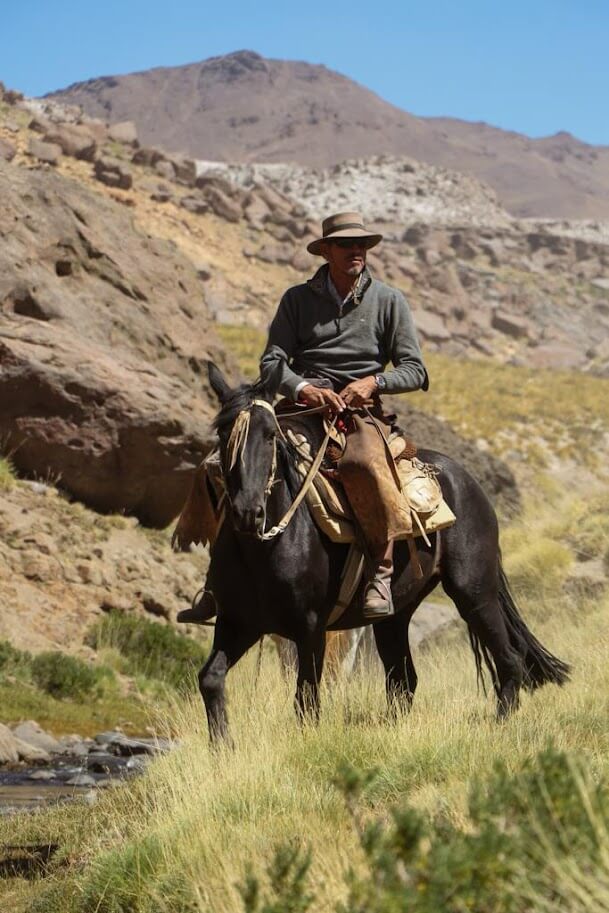
The gaucho is the horseman and countryman of the plains of southern South America. He began as a cattle driver on the pampas and, over the centuries, became the great symbol of Argentine identity.
Argentina, a country of beauty and soul, is known for its excellent wines, its folk music and tango, and also its delicious meats, a result of cattle ranching, the undisputed specialty of the gaucho. This experience will allow you to witness the gaucho in all his glory: his skill and dexterity with horses, his nobility, warmth, kindness, and his pride in living and feeling connected to his land.
Originally a nomadic horseman and cowboy of the Argentine pampas, renowned for his skill in hunting wild cattle alive, the gaucho has been shaped by centuries of history, legends, and ballads, deeply ingrained in Argentine culture. Because the gaucho played a significant role as a soldier in Argentina's independence, he is revered as a symbol representing Argentine nationalism.
Gauchos were, are, and will continue to be proud and skilled horsemen. For a gaucho, the horse is one of his most prized possessions. Annual festivals throughout Argentina typically include demonstrations of gaucho horsemanship.
November 10, Tradition Day. Argentina celebrates the birthday of José Hernández, author of Martín Fierro, the book that best portrayed gaucho life. Across the country there are parades, folk gatherings and traditional riding skills.
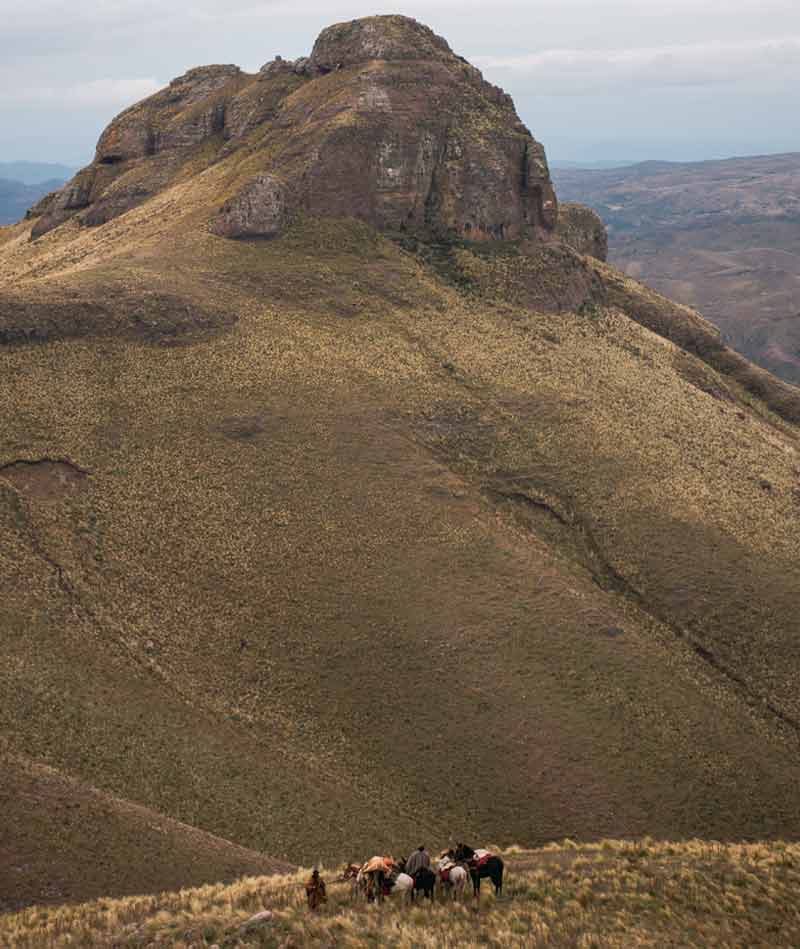
You can read about all this, but you only truly understand it on horseback.
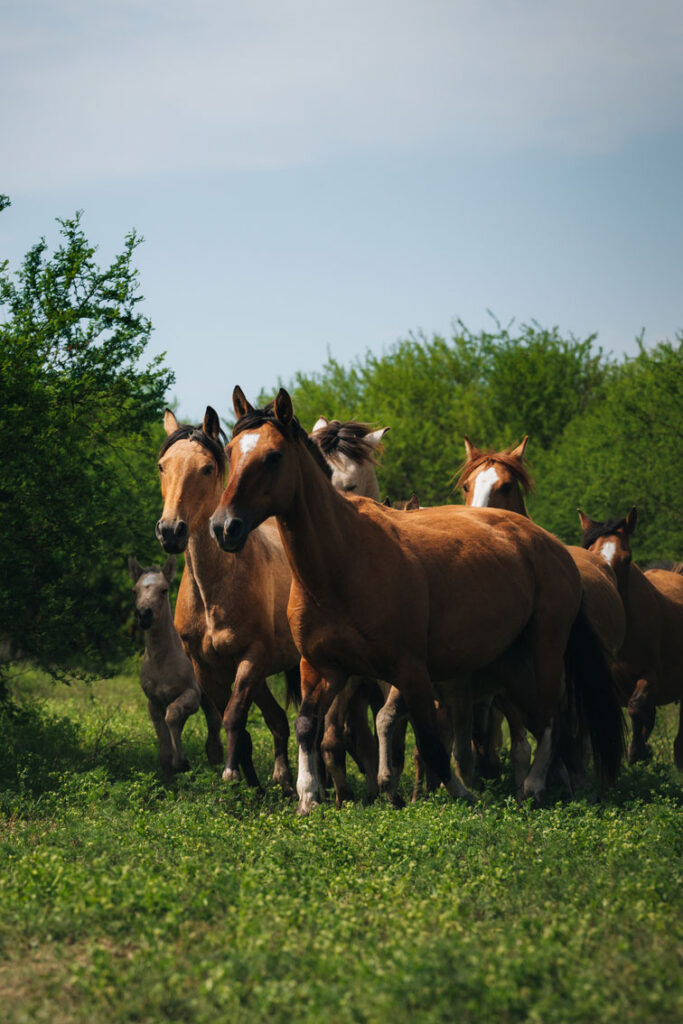
The Argentine Criollo is renowned for its strong character and intelligence. One of the hardiest breeds, with a powerful, muscular body and chest, these horses are the trusted working companions of the gauchos in Argentina. The breed has been carefully managed since the 20th century.
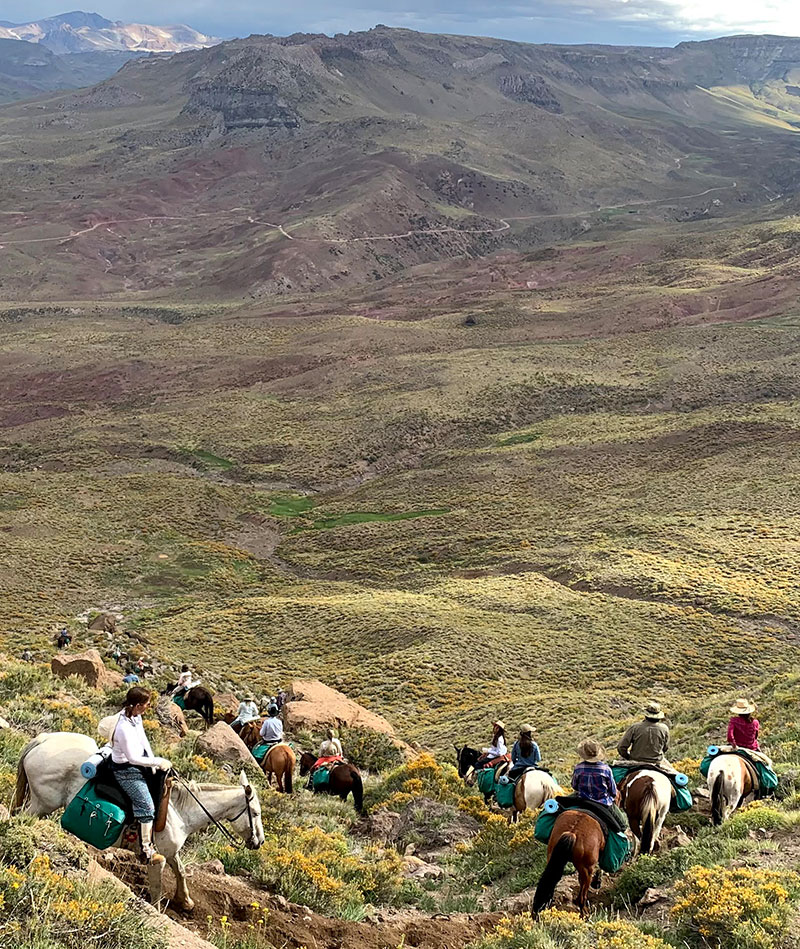
Gaucho Argentino breeds and uses Criollo and Criollo crossbred horses for many of its adventures and journeys. These horses are ridden by the same gauchos who accompany our clients on our rides. Our Criollos are safe, well-trained, and intelligent. Whether you are an experienced rider or this is your first time on a horse, you will feel relaxed and enjoy our rides.
The gaucho's diet consisted almost entirely of meat, and in the countryside, it was supplemented with yerba mate, a tea made from the leaves of the yerba mate tree. Whether it was meat roasted on a grill or in a clay oven, or a slow-cooked stew, gauchos were famous for their skill in cooking over fire.
On every ride we eat the same way: asado over the fire, mate shared in a circle and country cooking at every stop.
Gaucho music: chamamé
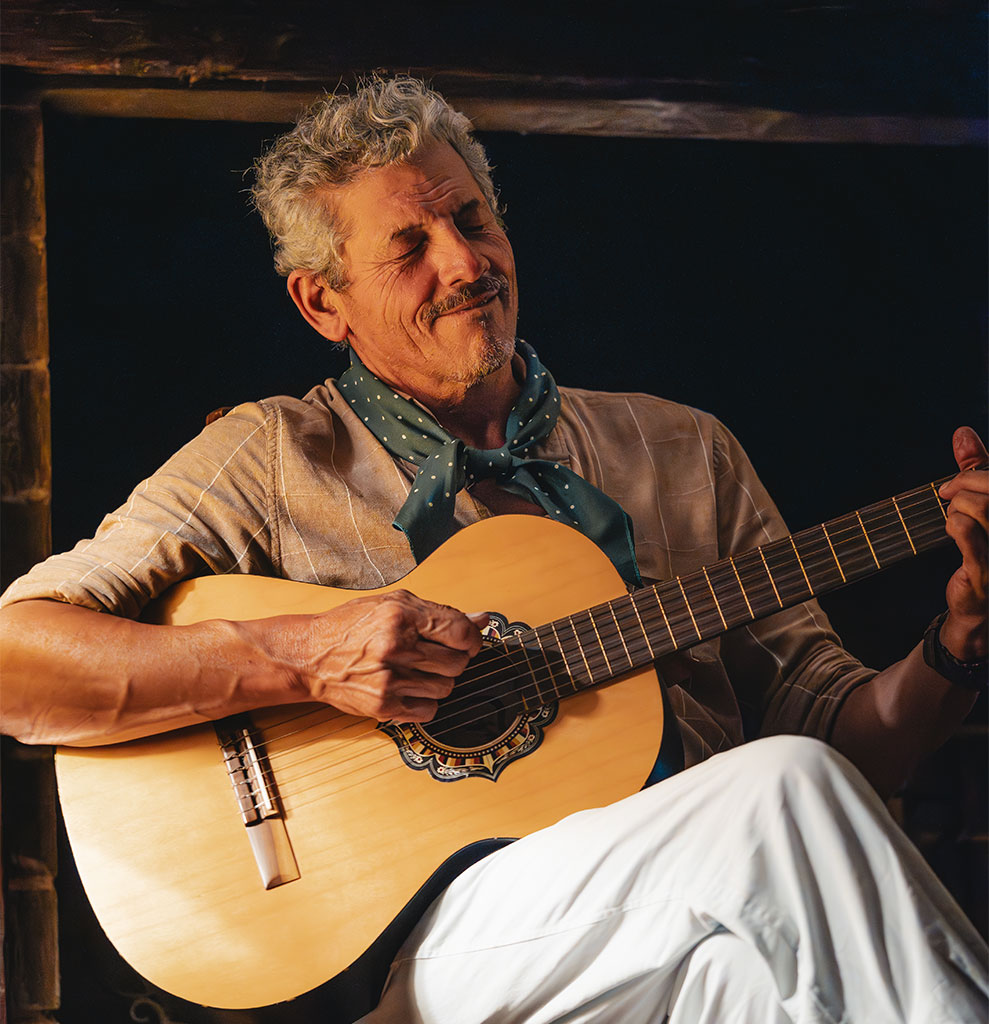
Chamamé is the traditional music of the gauchos of northeastern Argentina. Originating from the Guaraní language in the area surrounding the Iberá Wetlands, chamamé has been influenced by the Spanish guitar and German accordion and bandoneon, resulting in a distinct sound that continues to evolve. It's difficult to think of the gaucho without linking him to the music of each region; it lives in his soul and spirit.
In the north, zamba and chacarera rule instead, the soundtrack of the folk gatherings of Salta.
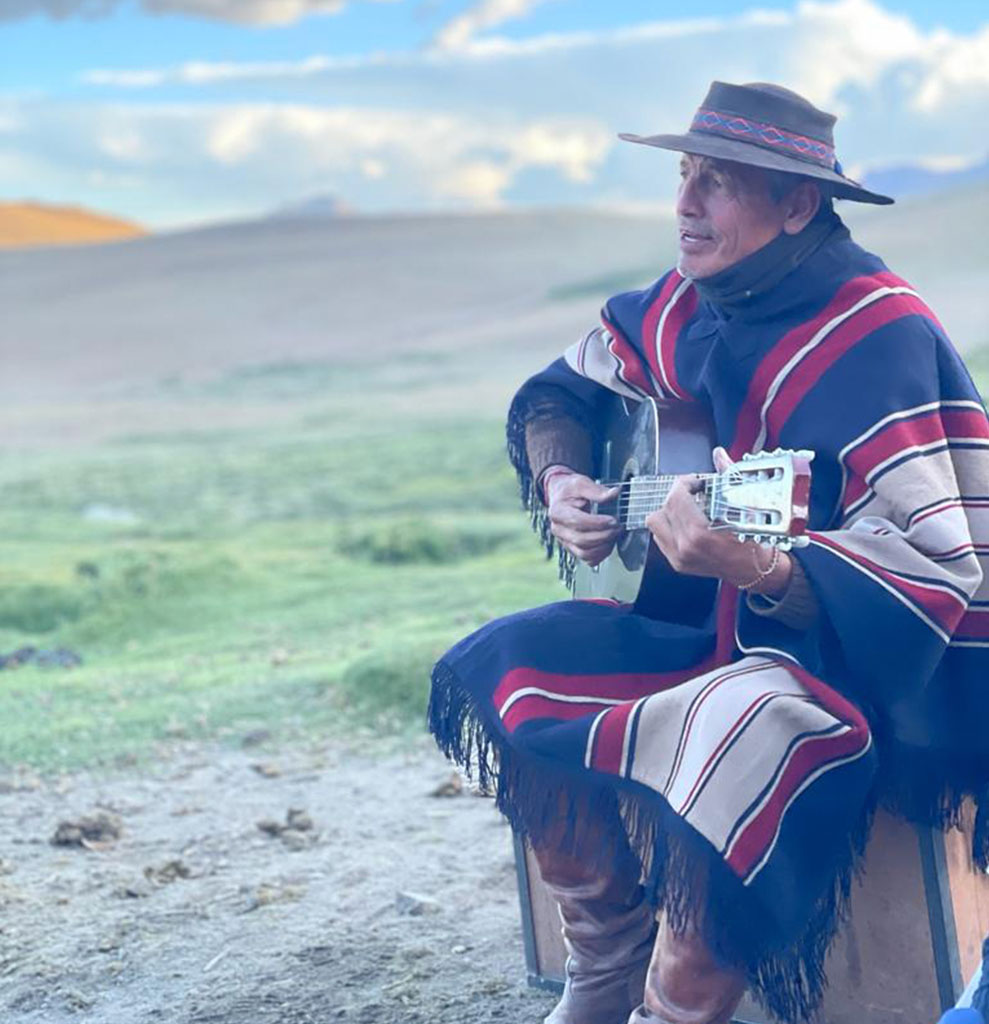
Gauchos often dress differently depending on their region. Typical gaucho attire includes a poncho, which is also used for sleeping outdoors. They wear a hat or beret, a large knife at their waist, and baggy trousers called bombachas. Footwear varies, but the most common are canvas espadrilles or tall leather boots.
Poncho: keeps him warm by day and works as a blanket at night. Hat or beret: protects from sun and rain on long rides. Bombachas: loose trousers that allow free movement on horseback. Facón: a large knife worn at the back of the waist. Sash and rastra: the sash supports the waist; the rastra is a leather belt decorated with coins or silver. Boots or alpargatas: leather boots for riding, canvas alpargatas for everyday life.
In the north you will see the red-and-black poncho of Salta, a tribute to General Güemes and his gauchos.
To venture into the Iberá Wetlands is to immerse oneself in a deep horizon, where the grasslands and reeds form a landscape that seems to stretch into infinity.
The gaucho is the horseman and countryman of the Argentine plains, skilled at working with cattle and horses. He is the great symbol of the country's traditions.
What is traditional gaucho clothing?
Poncho, hat or beret, bombachas, sash and rastra, a facón at the waist, and leather boots or alpargatas.
What did gauchos eat?
Mostly beef roasted over the fire, stews and bread baked in a clay oven, always with mate.
When is Tradition Day in Argentina?
On November 10, the birthday of José Hernández, author of Martín Fierro.
Can tourists experience gaucho culture?
Yes. On our horseback rides you spend several days riding with gauchos in Mendoza, Salta, Corrientes or Córdoba. No previous riding experience is needed. See the rides →
DO YOU HAVE ANY QUESTIONS?
Contact us
*Prices for Argentine residents are in Argentine pesos. Prices for foreigners are in US dollars. Availability and final pricing are confirmed via WhatsApp.